Wolf Tree Embroidery Design Review
As an embroidery designer who spends countless hours testing files for both personal projects and commercial client work, I have learned to be skeptical of designs that look good in a thumbnail but fail under the needle. Recently, I came across the Wolf Tree design on Creative Fabrica, categorized under Woodland Animals. It caught my eye not just because of the subject matter, but because of the promise it made: adding character and artistic flair to everyday items. But does it hold up when you are stitching for a real customer? In this review, I will break down how Wolf Tree performs as a machine embroidery design, its suitability for various handmade products, and what you need to consider before adding it to your commercial library.
First Impressions and Visual Mood
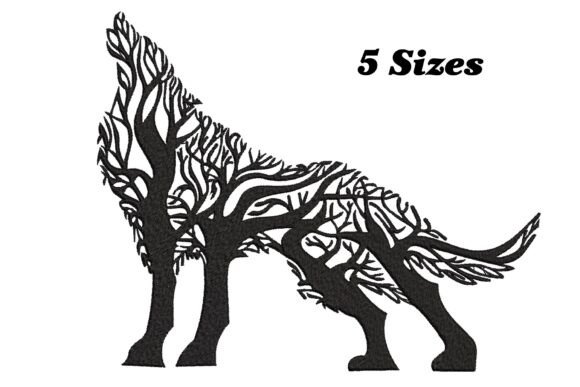
The first thing any designer notices is the visual mood of the file. Wolf Tree presents itself as a trendy, cheerful piece that balances organic shapes with artistic detail. The concept of a wolf integrated with tree elements suggests a connection to nature, which resonates strongly with current trends in bohemian and rustic aesthetics. For those looking to create unique handmade products, this design offers more than just a simple animal silhouette; it provides a narrative element that can elevate a plain item into a statement piece.
The level of detail appears sophisticated enough to justify a higher price point in an Etsy shop or craft fair booth, yet clean enough to stitch reliably on a home machine. It feels like a design meant to stand out on a crowded shelf. Whether used for a tote bag design or a cozy sweatshirt embroidery, the visual appeal lies in its ability to add a "dash of character" without being overly cluttered. This balance is crucial for maintaining brand consistency in your creative business.
Real-World Application: Where Does It Fit?
When evaluating a digital embroidery file for commercial use, I always ask: "What is the best product for this?" Wolf Tree is versatile, but it shines brightest in specific categories. Its artistic nature makes it an excellent candidate for custom apparel, particularly on the chest or back of hoodies and sweatshirts. The woodland theme pairs beautifully with earthy tones and natural fabrics.
For home decor enthusiasts, this design translates well to kitchen towels and pillow covers. Imagine a set of matching kitchen towels featuring subtle woodland motifs; Wolf Tree could serve as the focal point, adding a cheerful touch to a farmhouse-style kitchen. Similarly, for nursery decor, the combination of a wolf and tree elements can create a calming, storybook atmosphere for a child’s room. It also works exceptionally well for personalized gifts, such as baby blankets or cap patches, where uniqueness is highly valued by buyers.
If you are a seller of printable mockups or design assets, including Wolf Tree in your collection adds value for customers who want ready-to-use, high-quality machine embroidery designs. It fits seamlessly into collections focused on nature, animals, or seasonal autumn themes.
Technical Performance and Stitching Considerations
A beautiful design is useless if it does not stitch well. When reviewing Wolf Tree, several technical aspects must be considered to ensure a professional finished product.
- Stitch Density and Detail: Designs with intricate details often suffer from thread breaks or puckering if the stitch density is too high. You should inspect the file closely to see how the fill stitch areas are packed. If there are tiny lettering elements or fine lines, they may require a larger hoop size to remain legible after washing. Always test these small details to ensure they do not merge together during the stitching process.
- Hoop Size Constraints: Before committing to a large production run, confirm the required hoop size. If the design is large, it may limit where you can place it on certain garments, such as the sleeve of a jacket or the front panel of a small tote bag. Ensure the design dimensions align with your typical product offerings.
- Fabric Compatibility: This design may perform differently on various materials. On stretchy fabrics like jersey knits, proper stabilization is non-negotiable to prevent distortion. On textured fabrics like canvas tote bags, the contrast between the fabric texture and the thread colors becomes critical. A light-colored design on a dark fabric might get lost, so choosing the right thread colors is essential for visual impact.
- Stitch Types: Look at the mix of satin stitch, running stitch, and fill stitches. A good balance ensures smooth running times and reduces the risk of birdnesting. If the design relies heavily on dense satin borders, ensure your machine can handle the tension without breaking threads.
Impact on Product Value and Buyer Trust
In the world of handmade commerce, presentation is everything. Using a well-executed design like Wolf Tree directly influences buyer trust and perceived value. A cleanly stitched design with precise edges and vibrant thread colors signals professionalism. Conversely, a poorly stitched file can lead to returns and negative reviews, damaging your reputation.
When customers purchase a commercial embroidery item, they are often paying for the artistry and care involved. A design that looks intentional and polished enhances the giftability of the item. For example, a wolf-themed patch on a denim jacket becomes a cherished keepsake if the stitching is crisp. Furthermore, high-quality embroidery allows for better product photography; close-up shots of the texture and detail can drive engagement on social media platforms like Instagram and Pinterest.
Practical Steps Before You Sell
To ensure success with Wolf Tree, follow these practical steps before listing your products:
- Test on Scrap Fabric: Never skip this step. Stitch the design on the same fabric type you plan to sell. Check for puckering, thread tension issues, and color accuracy.
- Review File Details: Go to the Creative Fabrica product page to check the specific file formats included. Ensure they are compatible with your embroidery machine software. Also, verify the licensing terms carefully. Some files are for personal use only, while others allow commercial application. Do not assume; read the fine print.
- Check Stabilizer Needs: Determine the appropriate stabilizer for each fabric. Cut-away stabilizers are generally safer for stretchy or heavy fabrics, while tear-away may suffice for woven cottons.
- Compare Mockups: Use digital mockups to visualize how the design looks on different colored backgrounds. This helps you curate a cohesive collection and avoid mismatched aesthetic choices.
- Inspect After Washing: Wash and dry your test sample to see how the design holds up. Did the threads fade? Did the shape distort? This is the ultimate test of durability for your embroidered patch or apparel.
Final Thoughts
Wolf Tree is a strong contender for designers looking to expand their Woodland Animals collection. Its artistic flair and versatility make it suitable for a wide range of applications, from kitchen towels to apparel decorators working on custom orders. However, success depends on careful execution. By paying attention to stitch density, fabric choice, and licensing, you can turn this digital file into a profitable and beloved physical product.
Remember, the key to a successful handmade business is quality. Take the time to test, refine, and present your work professionally. With the right approach, Wolf Tree can become a staple in your repertoire, helping you connect with customers who appreciate the beauty of nature and the charm of handmade crafts.