Funny Monkey Embroidery Design Review
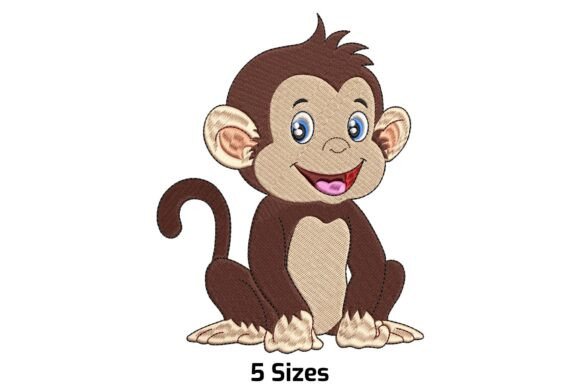
As an experienced embroidery designer who has spent years helping small businesses and handmade brands elevate their visual identity, I approach every new digital embroidery file with a critical eye. It is not enough for a design to simply look cute on a screen; it must translate into a high-quality, durable, and professional finished product that strengthens brand recognition. Today, I am reviewing the Funny Monkey design from the Woodland Animals category. This piece claims to add a touch of whimsy charm to various fabrics, making it a potential candidate for t-shirts, towels, pillows, and home decor items. But does it hold up when applied to commercial merchandise, branded patches, and custom apparel?
First Impressions and Visual Personality
When you first load a machine embroidery design into your software, the initial impression sets the tone for its business viability. The Funny Monkey design immediately reads as playful, friendly, and approachable. In the context of branding, "whimsy" is a powerful word. It suggests a brand that is fun, accessible, and perhaps a bit quirky. For a small café, a boutique bakery, or a creative studio, this personality can be exactly what is needed to differentiate from stiff, corporate competitors.
However, there is a balance between "cute" and "professional." A well-executed whimsical design can feel premium and handmade, while a poorly digitized one can look cheap. Based on the description, this design is intended to embellish fabrics with lovely details. My immediate concern as a reviewer is whether the level of detail allows it to function as a standalone logo or if it works best as an accent. If the monkey features intricate facial expressions or fine fur textures, it risks losing definition when stitched at smaller sizes. The goal is to ensure that the design feels bold enough to be recognized from a distance but detailed enough to reward a closer look.
Real-World Business Applications
The true test of any embroidery file is its versatility in real-world applications. Let us look at how Funny Monkey could perform across different product categories for small business owners, Etsy sellers, and merch creators.
- Embroidered Patches: One of the most profitable uses for designs like this is creating embroidered patches. These can be sewn onto denim jackets, backpacks, or tote bags. The Funny Monkey design would work exceptionally well here, provided the outline is clean and the stitch density is sufficient to prevent fabric show-through. A patch allows customers to take your brand with them, acting as a walking advertisement.
- Staff Uniforms and Aprons: For local bakeries, florists, or pet brands, staff uniforms are crucial for brand consistency. Stitching the monkey on the chest pocket of a white apron or the sleeve of a work shirt adds a personalized, handmade touch. It signals to customers that the business cares about details and craftsmanship. This is particularly effective for apron embroidery, where the design becomes part of the service experience.
- Caps and Hats: Cap embroidery is a staple in promotional merchandise. The curved surface of a cap requires a design that is not too wide or overly complex. If Funny Monkey has a balanced width and clear focal point, it can serve as a charming logo on beanies or baseball caps, appealing to younger demographics and gift buyers.
- Tote Bags and Home Decor: As mentioned in the product description, this design fits well on pillows and tote bags. For a handmade shop selling reusable grocery bags or canvas totes, adding a small, whimsical monkey creates a unique selling proposition. It transforms a generic item into a branded product that customers are proud to carry.
- Product Packaging Accents: Do not overlook the power of packaging. Sewing a tiny version of the monkey onto hang tags, garment labels, or even directly onto product boxes (if using fabric labels) adds a tactile element that enhances the unboxing experience. This attention to detail boosts perceived value and encourages social media sharing.
Strategic Brand Identity and Customer Trust
Choosing the right design asset affects more than just aesthetics; it influences customer trust and recognition. A consistent visual language helps build a strong brand identity. When a customer sees the Funny Monkey repeatedly on different touchpoints—caps, tags, shirts—they begin to associate that specific whimsical character with your quality and style. This visual consistency reinforces professionalism. It shows that the business is established and thoughtful.
Furthermore, handmade products thrive on emotional connection. A design that evokes a smile or a sense of nostalgia can increase buyer engagement. Customers are more likely to recommend a brand that feels personal and warm. By integrating Funny Monkey into your small business merch, you are not just selling a product; you are selling a feeling of joy and creativity.
Critical Considerations and Potential Pitfalls
While the potential is high, there are areas where this design requires careful handling. As a designer, I always advise testing designs under strict conditions before mass production.
Small Patch Sizes and Cap Fronts: If you plan to use this design on small patches or the front of a cap, you must evaluate the stitch count and detail level. Fine lines and small text can merge together if the stitch density is too low or if the digitization is not optimized for small scales. Always create a printable mockup at the actual size you intend to embroider to check for clarity.
Curved Surfaces and Hoop Size: Embroidering on curved surfaces like hats or sleeves can distort the design if the hoop size is not appropriate or if the stabilizer is insufficient. Ensure the design fits within your standard hoop dimensions without requiring excessive trimming or re-hooping, which can lead to misalignment.
Fabric Texture and Thread Colors: The final look depends heavily on the materials used. On textured fabrics like heavy canvas or thick fleece, fine details may get lost. Similarly, thread color contrast is vital. A light-colored monkey on a dark uniform may require a backing or underlay to make the design pop. Always inspect spacing and confirm that the thread colors complement your brand palette.
Washability and Durability: For items that undergo frequent washing, such as aprons and work shirts, the durability of the stitches is paramount. Poorly digitized designs may pucker or fray over time. Check the edge finish and ensure the design is stable against wear and tear.
Practical Designer Notes for Production
To ensure the best results with the Funny Monkey design, follow these practical steps before committing to a full production run:
- Test in Black and White: Convert the design to monochrome to check the balance of positive and negative space. This reveals structural issues that color might hide.
- Check Small Size Legibility: Zoom out to 50% scale. Can you still identify the monkey? If not, simplify or choose a different placement.
- Review Thread Color Contrast: Simulate the design with your chosen thread colors against the actual fabric swatch.
- Inspect Spacing and Density: Look for areas where stitches might overlap awkwardly or where gaps are too wide.
- Confirm Hoop Size: Ensure the design dimensions fit your equipment’s capabilities.
- Test on Real Fabric: Never skip the physical test. Digitization looks different on screen than it does on cloth.
- Use Proper Stabilizer: Match the stabilizer weight to the fabric type to prevent puckering.
- Create a Mockup: Use a printable mockup to present the idea to clients or stakeholders for approval.
- Compare with Other Assets: Place the design next to other design assets in your library to ensure visual harmony.
- Confirm Commercial Licensing: Before selling any products, verify that you have the correct commercial license for the digital embroidery file.
In conclusion, the Funny Monkey design offers a charming and versatile option for businesses looking to inject personality into their merchandise. By carefully considering its application, testing thoroughly, and aligning it with your brand identity, you can create high-value products that resonate with customers. Whether used for commercial embroidery projects, custom apparel, or unique handmade products, this design has the potential to become a beloved symbol of your brand.