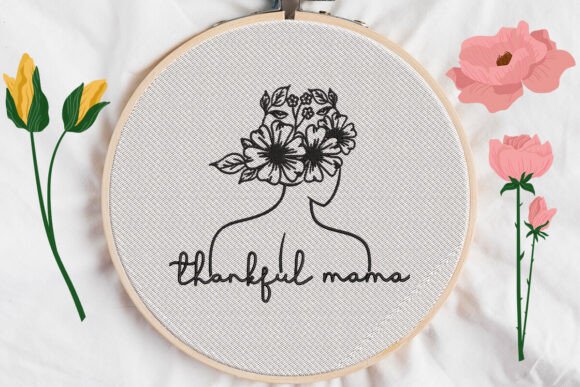
Thankful Mama Embroidery Review
As an experienced embroidery designer, I spend a significant amount of time evaluating digital assets before they make their way into production. The difference between a design that looks good on a screen and one that translates beautifully to fabric is often subtle but critical for small business owners. Today, I am reviewing the Thankful Mama machine embroidery design. This piece is marketed as a trendy addition for t-shirts, towels, and home decor, promising to add a cheerful and artistic touch. But does it hold up when we move from inspiration to commercial application? Let’s break down its potential for branded patches, staff uniforms, and high-value merchandise.
First Impressions: Personality and Professionalism
The title "Thankful Mama" immediately suggests a warm, approachable, and relatable brand identity. In the world of handmade products and boutique branding, emotional connection is everything. This design likely leans towards a friendly, perhaps slightly rustic or playful aesthetic, depending on the specific font and graphical elements included in the file. For a small business owner—whether you run a local café, a creative studio, or an Etsy shop selling handmade goods—this vibe is invaluable.
From a design perspective, the promise of adding a "dash of character" indicates that this is not a sterile, corporate logo. It is designed to feel personal. When evaluating such designs, I always look for visual balance. Does the text dominate the graphic? Is there enough negative space to allow the embroidery stitches to breathe? A design that feels too cluttered can lose its impact when stitched, especially at smaller sizes. However, if executed well, "Thankful Mama" offers a premium, curated feel that resonates with customers who value authenticity and heartfelt messaging.
Real-World Business Applications
The versatility of this embroidery file makes it a strong candidate for various commercial projects. Here is how it performs across different product categories:
- Embroidered Patches: One of the most popular uses for this type of design is creating custom patches. These can be sewn onto denim jackets, backpacks, or hats. If the design has clean outlines and sufficient detail, it works exceptionally well as a standalone badge. It adds a layer of perceived value to otherwise plain items, turning them into unique small business merch.
- Staff Uniforms and Aprons: For bakeries, florists, or boutique retail stores, staff apparel is a walking billboard. Placing "Thankful Mama" on the chest of an apron or a work shirt creates a cohesive team identity. It signals warmth and gratitude to customers, enhancing the overall service experience. It is particularly effective for businesses that want to project a family-friendly or community-oriented image.
- Tote Bags and Caps: Canvas tote bags are a staple for craft fairs and markets. A well-placed embroidered logo here serves as both a functional item and a marketing tool. Similarly, cap embroidery allows for a subtle yet recognizable brand mark. The design’s cheerful nature pairs well with casual headwear, making it ideal for summer events or seasonal promotions.
- Product Packaging Accents: Don’t overlook the unboxing experience. Adding a small embroidered patch or direct stitch to gift tags, shopping bags, or packaging inserts elevates the perceived quality of your product. It shows attention to detail and care, which fosters customer trust and encourages repeat purchases.
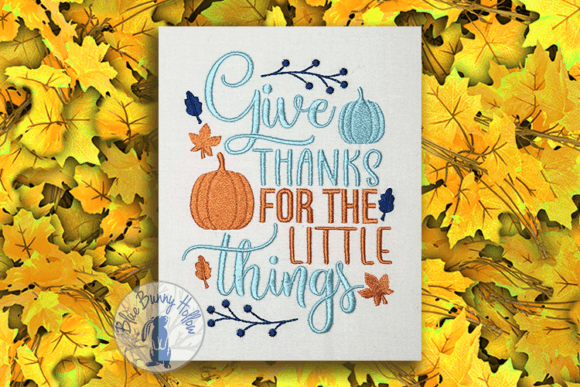
- Custom Apparel and Gifts: This design is perfect for personalized gifts. Think mother’s day collections, holiday specials, or baby shower favors. The thematic relevance to Thanksgiving or autumn seasons gives it a timely appeal, allowing you to create limited-edition drops that drive urgency and sales.
Strategic Considerations and Cautionary Notes
While the concept is strong, execution requires technical precision. Not every surface or fabric type will yield the same results. As a designer, I advise careful consideration of the following factors:
- Small Patch Sizes: If you plan to digitize this for tiny patches (under 2 inches), you must ensure the details are simplified. Fine lines and intricate textures can merge together, resulting in a muddy appearance. Always test at the intended final size.
- Cap Fronts and Curved Surfaces: Embroidering on curved surfaces like caps introduces distortion. The design needs to be adjusted for curvature to maintain legibility and proportion. A flat mockup might look perfect, but the physical reality on a structured hat front can vary significantly.
- High Stitch Density: Check the stitch density of the file. Excessive density can cause fabric puckering, especially on lightweight materials like thin cotton tees or delicate linens. Conversely, too little density may result in visible backing material. Balance is key for a professional finish.
- Fabric Texture and Color Contrast: Dark uniforms or textured fabrics like heavy canvas require high-contrast thread colors to ensure the design pops. Light threads on dark backgrounds may get lost, while dark threads on light fabrics might appear harsh. Test your thread colors against your actual product stock.
- Frequent Washing: For items like aprons or work shirts that undergo frequent laundering, ensure the design is anchored properly. Loose edges or poor underlay stitching can lead to fraying over time, damaging the brand’s reputation for quality.
Impact on Brand Identity and Customer Trust
In the competitive landscape of handmade products and commercial embroidery, visual consistency is paramount. Using a design like "Thankful Mama" consistently across your product line reinforces your brand identity. It tells a story about your values—gratitude, creativity, and personal touch. Customers are more likely to engage with brands that feel human and authentic. When a customer sees a beautifully stitched "Thankful Mama" on a tote bag, they associate that craftsmanship with the quality of your other offerings. This builds trust and recognition, which are essential for long-term success.
Furthermore, a well-executed embroidered design adds tangible value to your products. Hand-stitched or machine-embroidered elements are perceived as higher quality than printed graphics. They offer texture and depth that cannot be replicated by standard printing methods. This differentiation can justify a higher price point and attract customers who appreciate artisanal quality.
Practical Designer Notes for Production
Before committing to large-scale production, follow these essential steps to ensure a flawless outcome:
- Test in Black and White: Convert the design to monochrome first. This helps you evaluate the shape and spacing without the distraction of color. If it doesn’t read clearly in black and white, it won’t work in color either.
- Check Hoop Size and Stability: Confirm that the hoop size required fits your machinery and the garment dimensions. Ensure you have the correct stabilizer for the fabric type to prevent shifting during embroidery.
- Create a Printable Mockup: Use digital tools to create a realistic mockup of the design on your actual products. This allows for client approval and helps visualize the final placement.
- Inspect Spacing and Outlines: Zoom in on the digital file. Are the letters too close together? Do the outlines need adjustment for better stitch flow? Small tweaks now can save hours of rework later.
- Confirm Commercial Licensing: Most importantly, verify the licensing terms of the digital embroidery file. Ensure you have the right to use it for commercial purposes, including selling finished goods. Unauthorized use can lead to legal issues.
- Stitch Test on Real Fabric: Never skip the physical test. Stitch the design on the exact fabric you plan to use. Observe how the stitch density interacts with the material. Adjust tension or thread types as needed.
By carefully evaluating "Thankful Mama" through these lenses, you can leverage its charm and professionalism to enhance your brand. Whether used for apron embroidery, tote bag design, or custom apparel, this design has the potential to become a standout asset in your design assets library. Remember, the goal is not just to decorate, but to communicate value and build a lasting connection with your audience. With proper planning and technical diligence, "Thankful Mama" can help you create a finished product that truly stands out in the market.