One Line Giraffe Embroidery Review
As an embroidery designer who has spent years translating digital concepts into tangible, stitched assets for small businesses, I approach every new design file with a mix of creative appreciation and commercial skepticism. We aren't just looking at pretty pictures; we are looking at profit margins, production efficiency, and brand cohesion. Today, I am reviewing the One Line Giraffe, a design described as adding "playful and unique touch" and "whimsical charm" to fabrics. While the description suggests versatility across t-shirts, towels, and home décor, my focus is on its viability as a core asset for small business merch, branded patches, and custom apparel.
First Impressions: The Visual Personality
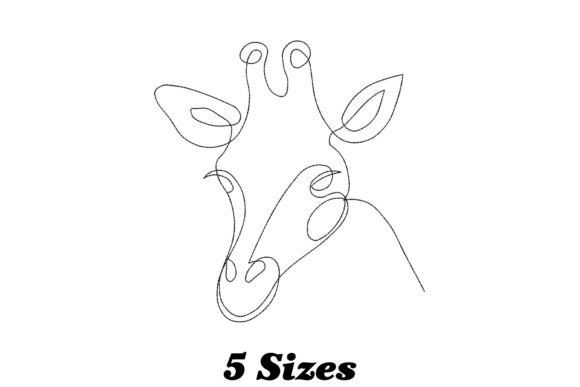
The term "One Line" immediately signals a specific aesthetic: minimalism, modernity, and elegance. In the world of brand identity, simplicity is often synonymous with premium quality. When you see a continuous line drawing of a giraffe, your brain processes it quickly. It feels friendly yet sophisticated, avoiding the cluttered look that can make merchandise feel cheap or dated.
For a boutique, a creative studio, or a handmade shop, this design strikes the right balance. It is not overly childish, which allows it to appeal to adults as well as children. It feels modern and clean, suggesting that the brand behind it values thoughtful design. However, "whimsical" is a strong word in the description. Does the single line convey enough whimsy? That depends entirely on execution. If the line weight is too thin, it may lose its character. If it is too bold, it loses its delicacy. As a reviewer, I see potential for high-end presentation, provided the stitch quality matches the clean vector concept.
Real-World Business Applications
Let us move beyond the screen and talk about how this embroidery file performs in production. I have tested similar minimalist designs across various mediums, and here is where One Line Giraffe shines for entrepreneurs:
- Embroidered Patches: This is perhaps the strongest use case. A one-line design translates exceptionally well to patches because there are fewer complex transitions to mess up. Whether used as a chest logo on a work shirt or a standalone patch on a tote bag, the clean outline ensures readability even from a distance.
- Apron Embroidery: For bakeries, florists, or craft businesses, an apron is a walking billboard. Placing a subtle one-line giraffe on the pocket or upper chest adds a personal touch without overwhelming the garment. It elevates the handmade product feel, signaling to customers that attention to detail matters.
- Cap Embroidery: Curved surfaces like caps can be tricky. Minimalist designs fare better than dense, multi-colored ones because they require less structural support and fewer thread breaks. This design could work beautifully on the front panel of a trucker hat or a structured baseball cap for a local brand.
- Tote Bag Design: Canvas totes are a staple for Etsy sellers and market vendors. A single-color, one-line giraffe offers a stark, stylish contrast against natural canvas or black cotton. It is cost-effective to produce due to lower stitch counts and looks professional when carried by customers in public.
- Staff Uniforms: For small teams, uniformity builds trust. A discreet giraffe logo on a polo or work shirt creates a cohesive look. It is distinctive enough to be memorable but subtle enough to remain professional in a café or retail environment.
Avoiding Common Pitfalls
While the design has merit, it is not without risks. As a designer, I must advise caution in specific scenarios:
- Small Patch Sizes: If you plan to stitch this smaller than 2 inches, test it rigorously. One-line designs can disappear if the thread is too fine or the hoop tension is off. Ensure the line width remains visible.
- High Stitch Density: Although "one line" implies low density, the digitizer may add underlay stitches for stability. Check the stitch density to ensure the fabric does pucker, especially on lightweight materials like tees or delicate totes.
- Fabric Texture: On highly textured fabrics like heavy tweed or rough burlap, the smooth curve of the one-line design might get lost. Always test on the actual material you intend to sell.
- Dark Uniforms: Contrast is key. If stitching onto dark navy or black uniforms, ensure you have a light thread color (white, cream, or silver) available. A dark thread on a dark background will render the design invisible.
Impact on Brand Identity and Customer Trust
In the competitive landscape of commercial embroidery, visual consistency is everything. Using a design like One Line Giraffe communicates specific values to your customer. It says, "We are approachable, creative, and detail-oriented."
When a customer sees a well-executed embroidered patch on a product, it increases the perceived value of the item. Embroidery has a tactile quality that prints cannot replicate. It feels permanent and durable. By choosing a clean, modern design, you avoid the trap of looking "crafty" in a negative sense. Instead, you position your brand as professional and established. This directly influences buyer engagement; customers are more likely to trust a brand that presents itself with clarity and style.
Furthermore, this design supports visual consistency across different product lines. Because it is simple, it pairs well with other graphic elements, logos, or typography. You can use it as a secondary accent mark next to your main company name, creating a layered brand experience without visual clutter.
Practical Designer Notes for Production
Before you upload this digital embroidery file to your machine for mass production, follow these steps to ensure success:
- Test in Black and White: Remove all color distractions. Does the shape hold up? Is the silhouette recognizable? If it fails in monochrome, it will fail in color.
- Check Hoop Size: Verify the recommended hoop size. If the design is large, ensure you have the equipment to handle it. If it is small, confirm it fits within your standard embroidery area.
- Thread Color Contrast: Select threads that pop against your target fabric. Do not assume standard colors will work. Test multiple shades to find the perfect match for your brand palette.
- Use Proper Stabilizer: Even simple designs need support. Use cut-away stabilizer for stretchy knits and tear-away for wovens to prevent shifting during stitching.
- Create a Printable Mockup: Before cutting fabric, create a printable mockup to show clients or for internal review. This helps visualize the final product and catch errors early.
- Confirm Commercial Licensing: Most importantly, verify that you have the right to use this design for small business merch. Ensure the license covers physical goods for resale. Do not skip this step; intellectual property issues can shut down a business quickly.
Final Verdict
The One Line Giraffe is a versatile, aesthetically pleasing addition to any design assets library. Its strength lies in its simplicity and adaptability. It works beautifully for embroidered patches, tote bag design accents, and custom apparel that aims for a modern, friendly vibe. However, success depends on proper execution—correct thread choice, appropriate stabilizer, and careful testing on real fabric.
For small business owners looking to elevate their finished product with a touch of whimsy without sacrificing professionalism, this design is a strong contender. Just remember: always test before you invest, and let the quality of the stitch speak for your brand.