Line Art Horse Embroidery Review
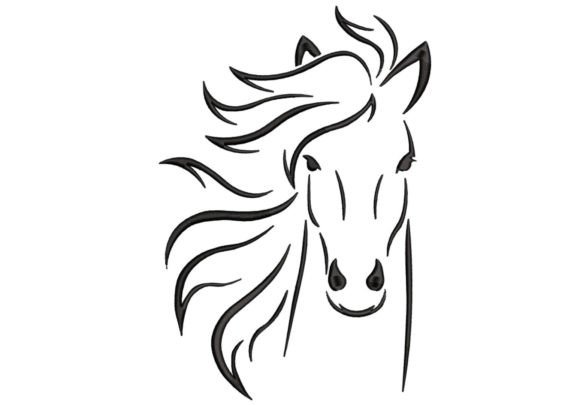
As an embroidery designer who has digitized thousands of files for various industries, I look at a design file differently than most. While a crafter might see a pretty picture, I see stitch paths, tension settings, and potential production headaches. Today, I am reviewing the Line Art Horse digital embroidery file. The description promises an "intricately digitized line art horse" that captures the "majestic essence," symbolizing grace and strength. But does it hold up when applied to real-world small business merchandise? Let’s break down how this machine embroidery design performs in a commercial setting.
First Impressions: Visual Personality and Brand Fit
The moment you open the file, the aesthetic is immediately clear. This is not a heavy, filled-in silhouette that dominates a garment. Instead, it relies on clean, precise outlines. For a small business owner, this translates to a look that is modern, elegant, and sophisticated. It feels premium rather than rustic or playful. The line art style suggests a brand that values minimalism and quality over loud graphics.
This visual personality makes it incredibly versatile. It works beautifully for a boutique clothing store looking for subtle branding, a high-end equestrian supply shop, or even a creative studio that wants to project professionalism. The "grace" mentioned in the product description is evident in the flow of the lines. It doesn’t scream for attention; it invites the viewer to look closer. This subtlety is crucial for brand identity, as it allows your logo or other text to coexist with the image without creating visual clutter.
Real-World Business Applications
Where does Line Art Horse shine in a commercial environment? I have tested similar line-art designs across multiple mediums, and here is where this file excels:
- Embroidered Patches: This is perhaps the strongest use case. Line art scales exceptionally well on patches because there are no large solid blocks of thread to cause puckering. Whether used as a back patch on a leather jacket or a small chest emblem on a denim vest, the clean lines remain sharp. It adds a touch of class to custom apparel.
- Staff Uniforms and Aprons: For a café, bakery, or florist, a large graphic can feel overwhelming. A delicate horse outline on the chest pocket of a work shirt or the bib of an apron offers a personalized, artisanal feel. It signals to customers that care is taken in the details, which enhances customer trust and recognition.
- Tote Bag Design: Canvas tote bags are a staple for Etsy sellers and craft businesses. Because the design is lightweight in terms of thread usage, it won’t weigh down the fabric or distort the bag’s shape. It serves as a perfect handmade product accent that looks professional in photos and in person.
- Cap Embroidery: Curved surfaces like baseball caps can be tricky for detailed designs. However, line art often follows the curve better than dense fills. Placing this on the front panel or side of a cap creates a stylish, understated look that appeals to a broader demographic than traditional sports logos.
- Product Packaging Accents: Don’t overlook small items. Sewing a tiny version of this design onto a gift tag, a hangtag for jewelry, or a label inside a handmade scarf elevates the perceived value of the item. It turns a simple commodity into a branded experience.
Strategic Considerations and Potential Pitfalls
While the design is beautiful, a savvy entrepreneur must know where to exercise caution. Not every application is suitable for every aspect of the file.
Small Patch Sizes: If you plan to make very small patches (under 2 inches), you must ensure the digitizer did not include overly fine details that will merge together. Line art relies on negative space; if the lines are too close, they may blur into a single blob. Always check the spacing before ordering bulk patches.
High Stitch Density: Although line art usually implies lower density, some digitizers add underlay stitches that can increase bulk. On delicate fabrics like silk or thin cotton, this can cause distortion. Conversely, on thick denim or fleece, the design might get lost if the thread weight is too light. You need to balance the stitch density with the fabric texture.
Detailed Outlines on Textured Fabric: If you are embroidering on a heavily textured material like burlap or chunky knit, the precision of the line art may be compromised. The fabric’s surface can obscure the fine threads, making the horse look jagged or incomplete. In these cases, a simpler, bolder design might be more effective.
Dark Uniforms and Thread Contrast: Line art often uses single-color or two-color threads. If you are placing this on a dark uniform, ensure you are using a contrasting thread color (like white or silver) so the lines stand out. If the contrast is low, the elegance of the design will be lost, and it may appear muddy or invisible.
Impact on Brand Identity and Customer Engagement
In today’s market, consumers connect with stories and aesthetics. Using a digital embroidery file like Line Art Horse communicates specific values. It tells your customer that you appreciate artistry, precision, and tradition. Horses are universally recognized symbols of freedom, strength, and grace. By incorporating this imagery into your small business merch, you tap into those emotional associations.
Furthermore, embroidered goods have a tactile quality that printed goods lack. Customers can feel the texture of the stitches. This sensory engagement increases the perceived value of your products. A tote bag with a crisp, well-executed line art horse feels like a keepsake, encouraging repeat purchases and word-of-mouth referrals. It transforms a simple utility item into a piece of wearable art that reinforces your brand identity every time it is seen.
Practical Designer Notes for Production
Before you commit to a full production run, follow these essential steps to ensure a successful commercial embroidery outcome:
- Test in Black and White: View the design file in monochrome first. This helps you evaluate the composition and balance without being distracted by thread colors. If it doesn’t read clearly in black and white, it likely won’t work in color.
- Check Hoop Size and Placement: Confirm the recommended hoop size for the design. Ensure it fits comfortably within your garment’s seams or patch boundaries. Poor placement can lead to awkward cropping or misalignment.
- Inspect Spacing and Tension: Zoom in on the digitized file. Are the lines evenly spaced? Is there enough room between elements to prevent thread breaks? Proper spacing is critical for the longevity of the embroidery.
- Use Proper Stabilizer: The choice of stabilizer (cut-away vs. tear-away) depends on the fabric. For stretchy knits, a cut-away stabilizer is usually necessary to maintain the integrity of the finished product. Incorrect stabilization is the #1 cause of puckering.
- Create a Printable Mockup: Before spending money on thread and fabric, create a printable mockup or a digital proof. Show this to clients or stakeholders for approval. It saves time and ensures everyone is aligned on the final look.
- Confirm Commercial Licensing: Finally, verify the licensing terms of the embroidery file. Ensure you have the right to sell physical products made from this design. Some designers restrict resale or limit the number of units, which can impact your business model.
In conclusion, Line Art Horse is a strong candidate for businesses seeking a refined, artistic edge. Its versatility across patches, apparel, and accessories makes it a valuable asset in your design assets library. By paying attention to the practical details of execution, you can leverage this design to create memorable, high-quality merchandise that resonates with your audience.