No Problem Llama Embroidery Design Review
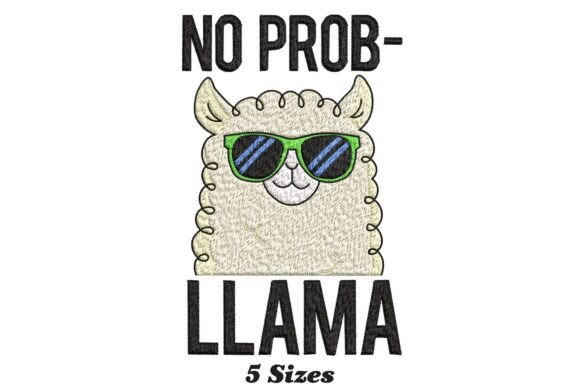
As an embroidery designer who spends more time than I care to admit staring at stitch lines and testing thread tension, I approach every new digital file with a mix of excitement and skepticism. When No Problem Llama landed in my inbox under the Animal Quotes category, I didn’t just see a cute animal; I saw a potential bestseller for my own small business and a versatile asset for other Etsy sellers and handmade creators. The description promises to transform fabrics with flair, but does it deliver on that promise when stitched into real-world products? After running several tests on scrap fabric and mockups for various gift items, here is my honest review of how this design performs as a finished product.
First Impressions: Mood and Charm
The immediate appeal of No Problem Llama lies in its playful yet sophisticated aesthetic. It strikes a balance between whimsical and modern, making it far more than just a novelty item. The mood is undeniably cheerful, but it avoids feeling childish. This is crucial for targeting adult buyers who are looking for personalized gifts that feel curated rather than mass-produced. The charm comes from the clean lines and the confident attitude of the quote itself. It feels "handmade" even though it is a machine design, which is a high compliment in our industry.
For designers looking to add a fanciful accent to their projects, this design offers a touch of elegance without being overly serious. It works well for those who want to inject personality into a project without overwhelming the customer with excessive detail. The emotional appeal is strong; it evokes a sense of resilience and lightheartedness, qualities that resonate deeply with people seeking meaningful keepsakes.
Product Applications and Giftability
One of the strongest aspects of this design is its versatility across different product categories. In my planning phase, I visualized how No Problem Llama would look on a variety of items, and the results were promising for almost every use case.
- Baby Embroidery: While llamas are often associated with boho or nursery themes, this specific design has a modern edge that fits well in contemporary nurseries. Imagine this stitched onto a blanket embroidery project for a baby shower. It adds a layer of warmth and humor that parents will appreciate.
- Kitchen and Home Decor: An embroidered towel featuring this design is a staple for any craft fair. It serves as a perfect hostess gift or a wedding present. The durability of the stitching ensures it can withstand frequent washing, which is a key selling point for kitchen items.
- Wedding Keepsakes: For bridesmaids or groomsmen gifts, this design adds a fun twist to traditional gifts. A custom tote bag or a pillow cover with this motif can elevate a simple gift into a memorable experience.
- Fashion and Accessories: Stitching this onto an apron or a structured tote bag creates a handmade product that stands out. The design’s bold nature makes it visible and attractive in product photography, which is essential for driving engagement online.
When considering the target audience, this design appeals to a wide demographic. It attracts small shop owners looking for unique inventory, wedding gift designers seeking non-traditional options, and anyone who appreciates the quirky charm of llama-themed decor. The perceived value increases significantly when the design is paired with high-quality blanks, creating a premium feel that justifies a higher price point.
Where Caution Is Required
Despite its strengths, there are specific scenarios where No Problem Llama requires careful handling. Not all fabrics and surfaces are created equal, and ignoring these nuances can lead to disappointing results.
First, avoid using this design on stretchy baby clothes without proper stabilization. The movement of the fabric can cause puckering, ruining the crispness of the lettering. Similarly, textured fabrics like heavy terry cloth towels or thick fleece can obscure the finer details of the design. If you attempt to stitch this on dark fabric, ensure your thread colors provide enough contrast; otherwise, the design may get lost in the background.
Another critical area to watch is curved surfaces. While hoopable items like hats or cuffs work well, attempting to embroider this on a highly curved or irregular surface without a specialized attachment can result in distortion. Always test on a scrap piece of the actual material before committing to a customer order. Additionally, if the design includes small lettering or delicate elements, be mindful of the stitch density. High-density areas on thin fabrics can lead to stiffness, which might be uncomfortable for wearable items.
Practical Embroidery Notes for Success
To ensure that your finished product looks professional, follow these practical steps during your production process. These tips are based on my own experiences and are designed to help you avoid common pitfalls.
- Test on Scrap Fabric: Never skip this step. Run the design on the same type of fabric you plan to sell. This helps you identify any potential issues with tension or stability early on.
- Check Thread Color Contrast: Select thread colors that pop against your chosen fabric. Light threads on dark backgrounds or vice versa usually yield the best results. Consider offering multiple color options to your customers to enhance customization.
- Confirm Hoop Size: Ensure your hoop size matches the dimensions of the design. If the design is larger than your standard hoop, you may need to re-hoop, which can affect alignment.
- Review Stitch Density: High stitch counts can make a garment stiff. If you are working with delicate materials, consider reducing the density if the software allows, or choose a lighter backing stabilizer.
- Use Proper Stabilizer: The choice of stabilizer is just as important as the thread. Cut-away stabilizers are generally recommended for stretchy fabrics, while tear-away works well for wovens. For heavy items like towels, a combination of both may be necessary.
- Compare Mockups: Create printable mockups to visualize the final product. This helps in marketing and gives customers a clear idea of what they are buying.
- Check Small Details: After stitching, inspect the design closely. Are any letters misaligned? Is the stitching too tight? Making these checks ensures quality control and builds customer trust.
- Commercial Licensing: Before selling any items made with this design, confirm the commercial licensing terms. Most digital files come with specific restrictions, and adhering to them protects your business legally.
Final Thoughts on Value and Engagement
Incorporating No Problem Llama into your product line can significantly boost your brand’s appeal. The design’s ability to evoke emotion and connect with customers on a personal level is its greatest asset. When buyers see a well-executed custom embroidery project, they perceive higher value and are more likely to leave positive reviews.
For Etsy sellers and digital product sellers, this design offers a low-risk, high-reward opportunity. It is easy to market, visually appealing in photos, and adaptable to various niches. By paying attention to the technical details—such as fabric choice, stabilizer selection, and thread contrast—you can create stunning handmade products that stand out in a crowded marketplace.
Ultimately, No Problem Llama is more than just a cute animal quote; it is a tool for creativity and connection. Whether you are making a one-off gift for a friend or producing a batch for your online store, this design delivers on its promise of adding flair and personality to your work. Just remember to test thoroughly, respect the limitations of your materials, and always prioritize quality. With the right approach, this design can become a staple in your repertoire, helping you build a loyal customer base and grow your business one stitch at a time.