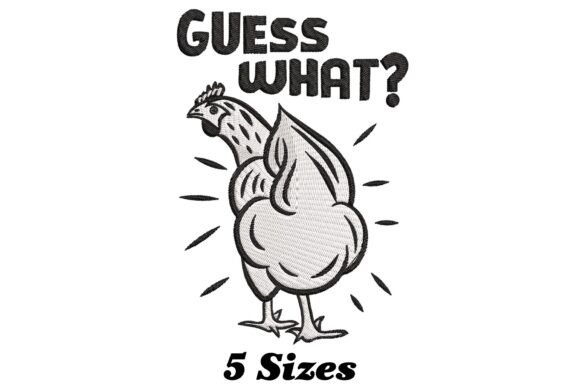
Guess What Funny Chicken Review
As an embroidery designer who has spent years turning digital files into tangible brand assets, I look at every new design with a critical eye. It is not enough for a design to simply stitch out cleanly; it must serve the business purpose of the end user. Today, I am reviewing the Guess What Funny Chicken machine embroidery design. This piece falls under the Animal Quotes category and promises to add a touch of whimsy charm to various fabrics. But does it hold up as a viable asset for small business merch, branded patches, and professional custom apparel?
I have analyzed this design through the lens of a boutique owner, an Etsy seller, and a product designer. Below is my honest assessment of how Guess What Funny Chicken performs in real-world commercial applications.
First Impressions: Personality and Visual Impact
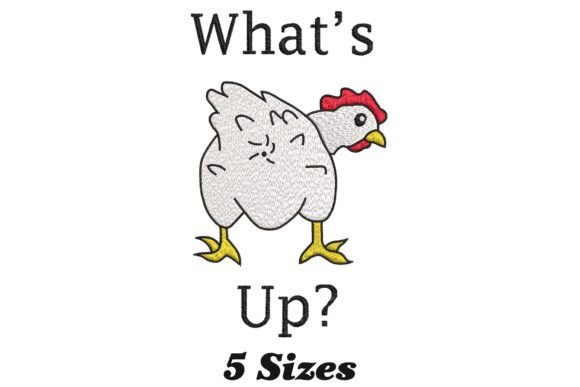
The title alone sets a specific tone. When you see "Guess What Funny Chicken," you expect playfulness, humor, and approachability. From a design perspective, this suggests that the artwork likely relies on bold shapes and clear silhouettes rather than intricate, delicate filigree. For a small business looking to stand out, this is a crucial distinction.
In the crowded market of handmade products, overly complex designs can get lost or appear cluttered when stitched onto items like tote bags or caps. The whimsical nature of this chicken quote implies a design that is friendly and engaging. It feels less like a formal corporate logo and more like a conversation starter. This personality makes it ideal for brands that want to project warmth, creativity, and a bit of irreverence. Whether you are running a quirky bakery, a pet-focused brand, or a creative studio, this design helps establish a visual identity that is memorable without being intimidating.
Real-World Business Applications
So, where does Guess What Funny Chicken shine? I have identified several high-value use cases for small business owners and embroidery shops.
- Branded Patches: One of the strongest applications for this design is as an embroidered patch. Patches allow businesses to apply their branding to multiple items—caps, denim jackets, tote bags, and aprons—with consistency. A funny chicken motif works exceptionally well on denim because the rugged texture contrasts nicely with the playful character, creating a premium, handmade aesthetic.
- Staff Uniforms and Aprons: For cafes, bakeries, or florists, staff uniforms need to balance professionalism with personality. Stitching this design on the chest of a work shirt or the pocket of an apron adds a human touch. It signals to customers that the staff is friendly and the brand has character. It transforms a standard uniform into a branded experience.
- Tote Bag Design: Tote bags are perhaps the most effective marketing tool for small businesses. They are mobile billboards. A well-executed embroidery design on canvas or cotton twill lasts longer than print and feels higher quality. Guess What Funny Chicken serves as a fun accent mark that encourages social media sharing, boosting organic reach.
- Caps and Headwear: Cap embroidery requires designs that read clearly from a distance. If the chicken graphic is bold and the text is legible, this design can serve as a standout piece of event merch or promotional giveaway items. It captures attention in a way that subtle logos often fail to do.
- Product Packaging Accents: Do not overlook packaging. Adding a small embroidered patch to gift boxes, tissue paper tags, or garment labels elevates the unboxing experience. It shows attention to detail and increases the perceived value of the finished product.
Strategic Considerations and Limitations
No design is perfect for every application. As a professional, I must highlight where caution is needed when using Guess What Funny Chicken for commercial projects.
Size Constraints: If your business plan involves stitching this design onto very small patches (under two inches) or tiny product labels, you must evaluate the stitch density and lettering size. Funny quotes often rely on text readability. If the font is too thin or the details too fine, the design will muddy together when scaled down. Always test at actual production size before committing to bulk orders.
Fabric Texture and Color: Embroidery interacts differently with various materials. On textured fabrics like burlap or heavy tweed, fine details may disappear. On dark uniforms, thread contrast becomes paramount. You must ensure that the chosen thread colors provide enough contrast against the base fabric. A light-colored chicken on a black apron might look washed out unless you use underlay stitches or specific background fill techniques.
Curved Surfaces: While cap fronts are generally flat enough for standard hooping, curved areas like the sides of hats or rounded bag corners can distort the design. The chicken’s features might stretch or compress if the hoop placement is not precise. This requires skilled digitizing adjustments or careful manual positioning during production.
Wash Durability: For items like towels or heavily used aprons, frequent washing can cause pilling or fraying around the edges of dense embroidery. Ensure that the design uses appropriate edge runs or satin stitches to prevent unraveling over time. A design that looks great on day one but falls apart after ten washes damages brand trust.
Impact on Brand Identity and Customer Trust
Choosing the right embroidery file is a strategic decision that affects brand perception. Guess What Funny Chicken communicates specific values: fun, approachability, and creativity. By using this design, you align your brand with these traits.
Customers today value authenticity and handmade presentation. A poorly executed embroidery job can look cheap, but a clean, well-placed design signals quality. When a customer sees a neatly stitched chicken quote on a tote bag, they associate that craftsmanship with the overall quality of your other products. It builds recognition and fosters loyalty. Furthermore, unique design assets help differentiate your shop from competitors who might be using generic clipart or mass-produced prints.
Practical Designer Notes for Production
Before you download this digital embroidery file and start producing merchandise, follow these essential steps to ensure a successful outcome:
- Test in Black and White: Convert the design to monochrome first. This helps you assess the balance of negative space and positive space without the distraction of color. If the shape reads clearly in black and white, it will likely succeed in color.
- Check Hoop Size and File Format: Verify the recommended hoop size for this design. Ensure it fits your production workflow. Also, confirm the file format compatibility with your embroidery machines.
- Inspect Thread Color Contrast: Plan your thread palette carefully. High contrast usually yields the best results for readable quotes. Avoid pairing similar shades that blend together.
- Review Spacing and Density: Look closely at the spacing between elements. Crowded designs can look messy. Ensure there is enough breathing room for the chicken graphic and the text to stand out individually.
- Stabilizer Selection: Use the correct stabilizer for your fabric. Heavy fabrics may need cut-away stabilizer, while knits require tear-away or water-soluble options to prevent distortion.
- Create a Printable Mockup: Before stitching, create a printable mockup to show clients or stakeholders. This allows for approval on placement and scale without wasting material.
- Confirm Commercial Licensing: This is non-negotiable. Ensure you have the proper license to sell physical products made with this design. Many digital files are for personal use only. Violating licensing terms can lead to legal issues and financial penalties.
Final Verdict
Guess What Funny Chicken is a versatile and charming addition to any embroidery designer’s library. Its whimsical appeal makes it suitable for a wide range of small business applications, from branded patches to custom apparel. However, success depends on proper execution. By paying attention to fabric choice, stitch quality, and licensing, you can transform this simple animal quote into a powerful brand asset that drives engagement and sales.
If you are looking to add a touch of personality to your handmade products, this design offers a solid foundation. Just remember to test thoroughly and prioritize quality control. In the world of commercial embroidery, the devil is in the details, and a well-stitched chicken can make all the difference.