Jelly Fish Embroidery Design Review
As an embroidery designer who spends weekends hunched over a sewing machine and weekdays planning booth layouts for craft fairs, I have learned one hard truth: if it doesn’t catch the eye in three seconds, it won’t sell. When I first reviewed the Jelly Fish design file, my immediate reaction was that this piece has serious potential for our upcoming summer market season. It is lively, creative, and possesses that specific "cute but chic" vibe that makes customers stop scrolling on Etsy or pause at a crowded vendor table. This review breaks down exactly why Jelly Fish works as a craft fair product, how to produce it efficiently, and where it shines brightest in your handmade inventory.
First Impressions and Visual Appeal
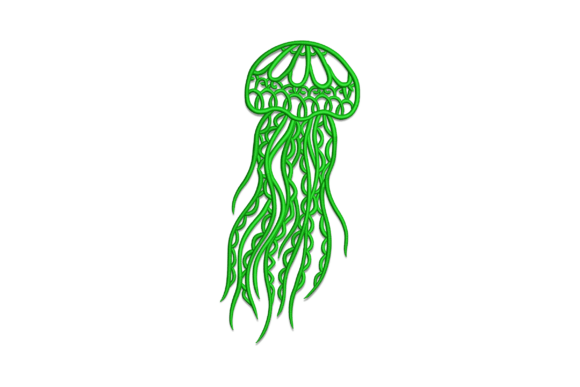
The title Jelly Fish suggests something fluid, organic, and perhaps a bit whimsical. From a design perspective, this translates to a piece that feels modern yet approachable. Unlike rigid geometric patterns or overly complex floral arrangements, a jellyfish motif offers soft curves and flowing lines. This aesthetic is incredibly versatile. It can lean into a coastal farmhouse style if paired with neutral threads, or pop with vibrant neon colors for a trendy, youthful look.
For a handmade product seller, visual appeal is everything. The Jelly Fish design brings personality to any item without overwhelming it. It strikes a balance between decorative and minimal. In a sea of generic starfish or anchor designs often seen at beach-themed markets, this design stands out because it feels fresh and slightly more artistic. It appeals to the buyer who wants something unique for their home decor or personal accessories but isn't looking for something too avant-garde. It is safe enough for mass appeal but distinct enough to feel like a premium small shop product.
Best Product Applications for Jelly Fish
Not all embroidery designs perform equally well on every substrate. Based on the structure and flow of the Jelly Fish file, here is where I see the highest profit margin and customer satisfaction:
- Tote Bag Design Potential: A canvas tote bag is the quintessential craft fair product. Placing the Jelly Fish design on a natural cotton canvas creates a beautiful contrast. It works beautifully as a centered chest placement or even larger across the front panel. The organic shapes of the jellyfish complement the sturdy texture of canvas, making the item feel substantial and high-quality.
- Apron Embroidery: Kitchen aprons are huge sellers. The Jelly Fish design adds a playful touch to a kitchen staple. Whether used for a chef’s gift or a summer BBQ accessory, this design elevates a basic utility item into a giftable commodity. It photographs exceptionally well for online listings, showing off the stitch work against the fabric weave.
- Tea Towel Embroidery: Linen or cotton tea towels are low-cost items with high perceived value when embroidered. The Jelly Fish motif fits perfectly in the corner of a towel or centered along the hem. It is repeatable, meaning you can batch-produce these quickly, which is essential for maintaining profitability at busy markets.
- Embroidered Patch and Cap Designs: For those selling hats or creating iron-on patches, the Jelly Fish design likely scales down well. However, care must be taken with small sizes (see technical notes below). On a baseball cap, a smaller, simplified version of the design looks professional and modern, appealing to the Etsy seller demographic looking for unisex apparel options.
- Pillow Covers and Home Decor: Soft furnishings allow for larger hoop sizes. If the Jelly Fish file includes a large format option, using it on a throw pillow creates a statement piece. The flowing tentacles can mimic the movement of water, adding a dynamic element to a static room object.
Production Practicality and Batch Efficiency
When evaluating a digital embroidery file for commercial use, I always ask: "Can I make fifty of these in a weekend without losing my mind?" The Jelly Fish design appears to be optimized for efficiency. Designs with fewer color changes and smooth transitions between stitches are faster to run. If this design utilizes a limited palette of thread colors, it reduces the time spent threading and trimming, directly increasing your hourly output.
Furthermore, the design’s versatility allows for brand consistency. You can create a cohesive collection by offering the same Jelly Fish motif on different products—matching a tote bag with a tea towel and an apron. This cross-selling strategy encourages customers to buy multiple items. For the commercial embroidery business owner, having a single strong design asset that works across multiple categories is invaluable for marketing and inventory management.
Technical Considerations and Careful Use Notes
While the aesthetic is strong, we must address the technical realities of machine embroidery. As a designer, I cannot stress enough the importance of testing before production. Here are critical factors to consider with the Jelly Fish file:
Stitch Density and Detail
Jellyfish tentacles are thin and numerous. If the design relies on tiny satin stitches or very fine details, it may lose clarity when digitized poorly or stitched on textured fabrics. Check the stitch density carefully. If the tentacles are too close together, the fabric may pucker. If they are too sparse, the design will look empty. Always inspect the digitization for proper underlay stitches, which stabilize the fabric and prevent distortion.
Fabric Texture and Contrast
Avoid stitching this design on heavily textured fabrics like thick terry cloth towels unless you are using a very bold, simple version of the pattern. The detail will get lost in the loops of the fabric. Similarly, ensure there is sufficient contrast between your thread colors and the base fabric. A pastel pink jellyfish on a white towel will vanish; a navy blue or gold thread will pop. Always test on scrap fabric that matches your final product material.
Hoop Size and Stabilizer
Confirm the recommended hoop size for the design. Using a hoop that is too small for the design dimensions can result in clipping or misalignment. Additionally, choose the right stabilizer. For lightweight tees, a cut-away stabilizer is best to prevent shifting. For sturdier items like tote bags, a tear-away might suffice, but a wash-away backing can provide a cleaner finish if the design requires it. Never guess; always follow the digitizer's recommendations regarding support materials.
Marketing and Display Strategy
How do you sell the Jelly Fish design? Visual storytelling is key. Create a printable mockup that shows the design on various products simultaneously. Show the jellyfish on a tote bag next to a seashell, or on an apron in a bright, sunny kitchen. These contexts help the buyer imagine the product in their own life.
At a physical craft fair, display your Jelly Fish products on mannequins or hanging racks rather than laying them flat. Movement catches the eye. If possible, light your booth so the sheen of the embroidery threads is visible. The tactile quality of good embroidery invites touch, and touch increases the likelihood of purchase. Highlight the fact that each item is a handmade product, emphasizing the care and skill involved in the stitching process.
Final Verdict for Craft Sellers
The Jelly Fish design is a strong contender for any maker’s repertoire. It balances charm with professionalism, making it suitable for both casual gift buyers and serious collectors. Its adaptability across tote bag design, apron embroidery, and home decor items ensures you get maximum value from a single embroidery file.
Before committing to bulk production, remember to:
- Test the design on your actual production fabric.
- Verify the commercial licensing terms to ensure you are allowed to sell finished goods.
- Experiment with different thread colors to find your signature palette.
- Create high-quality photos for your Etsy listing or social media channels.
If executed correctly, the Jelly Fish design will not just sit on your shelf; it will become a standout bestseller that defines your brand’s creative voice. Happy stitching!