Rooster Head Embroidery Design Review
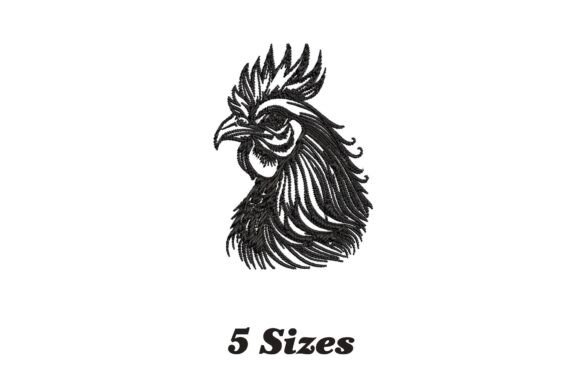
As an experienced embroidery designer who has reviewed thousands of digital files for commercial use, I look at every design with a critical eye. My goal is never just to see if it stitches out cleanly, but to determine if it adds value to a small business’s brand identity. Today, I am reviewing the Rooster Head embroidery design. The product description promises to "embellish your fabrics" with "whimsical and rustic charm," suggesting it is intended for t-shirts, towels, pillows, and home decor. But does this design hold up when scaled down for branded patches, staff uniforms, or high-volume merch? Let’s dive into a professional assessment.
First Impressions: Whimsy Meets Professionalism
When you first load a new machine embroidery design, your brain immediately assesses its personality. The Rooster Head strikes a balance between playful and grounded. The term "whimsical" in the description suggests a design that isn’t overly rigid or corporate, which is excellent for creative studios, bakeries, florists, and handmade brands. However, "rustic charm" implies a certain texture and warmth that can elevate a finished product from cheap promotional item to premium merchandise.
For a small business owner, this distinction is vital. A logo that feels too cartoonish might undermine trust, while one that is too serious might fail to engage customers on social media platforms like Instagram or Etsy. The Rooster Head appears to sit in that sweet spot—friendly enough to invite interaction, yet detailed enough to signal quality craftsmanship. It feels like a mark you would see on a boutique apron or a well-made tote bag, rather than a discount giveaway.
Real-World Business Applications
The true test of any embroidery file is its versatility across different product types. Here is how I envision the Rooster Head performing in specific commercial scenarios:
- Embroidered Patches: This design has strong potential as a standalone patch. Whether sewn onto denim jackets, backpacks, or client gift boxes, the bold nature of a rooster head allows it to stand alone without needing surrounding text. It serves as a powerful visual anchor for brand identity.
- Staff Uniforms and Aprons: For cafes, breweries, or farm-to-table restaurants, this design offers a rustic aesthetic that aligns perfectly with their niche. Placing it on the chest of a work shirt or the pocket of an apron embroidery project adds a touch of personality to staff attire, fostering a sense of team pride and approachability.
- Caps and Hats: Cap embroidery requires designs that are legible from a distance. If the Rooster Head is simplified enough, it works beautifully on the front panel of baseball caps or beanies. It creates a cohesive look for event merch or seasonal collections.
- Tote Bags and Product Packaging: As a tote bag design, this motif reinforces a handmade, artisanal vibe. It pairs exceptionally well with natural fabrics like canvas or cotton. Additionally, using it as a small accent on product packaging—such as stitched onto a hangtag or a small pouch—adds a tactile element that customers love.
- Etsy Branding and Digital Assets: For digital sellers, having a high-quality digital embroidery file like this expands your catalog. You can offer it as part of a "Farmhouse Collection" bundle, increasing the perceived value of your shop.
Strategic Placement and Cautionary Zones
Not every placement is created equal. While the Rooster Head is charming, there are specific areas where it may struggle depending on the complexity of the stitch work.
Small Patch Sizes: If you intend to use this as a tiny label (under 2 inches), you must be cautious. Fine details in the feathers or facial features may blur together if the stitch density is too high. Always scale down your printable mockup to actual size before committing to production.
Curved Surfaces: When embroidering on the front of a cap or the curve of a sleeve, flat designs can distort. Ensure the design has enough negative space to accommodate the curvature of the fabric without pucker marks appearing.
Dark Uniforms and Textured Fabrics: Contrast is key. On dark, textured fabrics like heavy wool or thick denim, ensure the thread colors provide sufficient contrast. A light-colored rooster head on black fabric will pop, but intricate shading might get lost in the weave of the material.
Frequent Washing: For items like aprons or work shirts that undergo industrial laundering, check the stability of the design. High stitch density can sometimes cause pulling over time. Test wash your samples to ensure the stabilizer used during production holds up.
Impact on Brand Identity and Customer Trust
In the world of small business merch, every detail communicates something about your company. Using a design like Rooster Head signals that you care about aesthetics and quality. It suggests a brand that is authentic, perhaps slightly nostalgic, and deeply connected to traditional craftsmanship.
This visual consistency builds customer trust. When a customer sees the same high-quality embroidered logo on a hat, a towel, and a tote bag, they perceive the brand as established and reliable. It elevates the product value, allowing you to charge a premium because the merchandise feels custom-made rather than mass-produced. Furthermore, unique designs encourage buyer engagement; customers are more likely to share photos of distinctive, whimsical items on social media, providing free marketing for your brand.
Practical Designer Notes for Production
Before you run this design through your machine for a large order, follow these essential steps to ensure success:
- Test in Black and White: Convert the design to monochrome to check the balance of positive and negative space. If it looks cluttered in black and white, it will likely be cluttered in color.
- Check Hoop Size: Verify the required hoop size matches your equipment capabilities. Ensure the design fits comfortably within your standard hoops to avoid unnecessary re-hooping.
- Review Thread Color Contrast: Select thread colors that enhance the rustic theme. Earth tones often work best, but experiment with bright accents for a modern twist.
- Inspect Spacing and Density: Look closely at the stitch directions. Are there areas where the needle might hit itself? Is the underlay sufficient to stabilize the fabric?
- Test on Real Fabric: Never assume a design will work on all materials. Stitch it out on the exact fabric you plan to use, including the correct stabilizer. This reveals issues with puckering or stretching early.
- Create a Mockup: Use a printable mockup to visualize the design on your actual products. This helps you communicate the final look to clients or stakeholders.
- Confirm Commercial Licensing: Most importantly, verify that you have the proper license to use this design asset for commercial purposes. Selling merchandise with unlicensed designs can lead to legal issues.
In conclusion, the Rooster Head embroidery design is a versatile and charming addition to any custom apparel or handmade product line. With careful attention to placement, fabric choice, and production quality, it can serve as a cornerstone of your brand’s visual identity. By treating it not just as a decoration, but as a strategic business tool, you can create merchandise that resonates with customers and stands the test of time.