Love Cats with Little Hearts Review
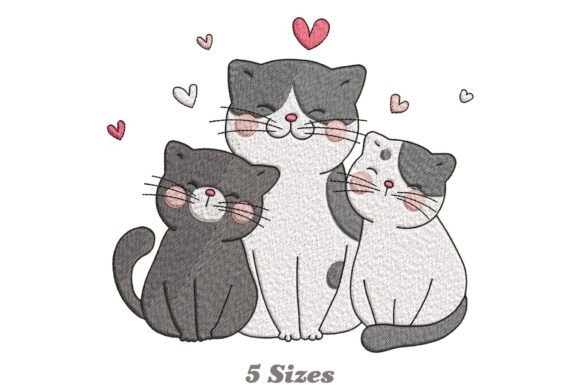
As an embroidery designer who has spent years translating digital concepts into tangible, stitched reality, I approach every new file with a mix of creative enthusiasm and commercial skepticism. When evaluating designs for small business merchandise, branded patches, and custom apparel, the goal is never just aesthetic appeal; it is about durability, brand recognition, and production efficiency. Today, I am reviewing Love Cats with Little Hearts, a design that promises to bring a whimsical touch to fabrics. Whether you are running a boutique café, a handmade jewelry shop, or a pet-centric brand, understanding how this machine embroidery design fits into your product line is crucial.
First Impressions: Visual Personality and Brand Fit
The title Love Cats with Little Hearts immediately suggests a playful, affectionate, and slightly rustic personality. In the world of branding, "cute" can sometimes veer into "cheap," but well-executed embroidery elevates the perception of value. Based on the description—sprucing up fabrics with a fun and whimsical touch—this design appears to strike a balance between professional polish and approachable charm. It feels less like a rigid corporate logo and more like a signature mark of a creator who cares about detail.
For small business owners, this visual language is powerful. It signals warmth and attention to detail. If your brand identity revolves around community, comfort, or joy, such as a local bakery or a florist, this design aligns perfectly. However, if you are targeting a minimalist or high-end luxury market, the whimsical nature might clash with a sleek, modern aesthetic. The key here is consistency. Does this design asset fit alongside your other design assets? If your existing branding is clean and geometric, adding a whimsical cat motif requires careful integration to maintain visual consistency.
Real-World Business Applications
Let us move beyond the screen and look at how Love Cats with Little Hearts performs in real business use. Embroidery is tactile; customers feel the quality of the stitch before they even try the product. Here is where this embroidery file shines:
- Embroidered Patches: This design translates exceptionally well into sew-on or iron-on patches. For a pet brand or a cozy home goods store, these patches can be applied to denim jackets, tote bags, or backpacks sold as premium add-ons. A well-made patch increases the perceived value of the item significantly.
- Staff Uniforms and Aprons: Imagine a barista wearing a canvas apron with this subtle design near the pocket. It humanizes the staff and creates a memorable customer experience. Similarly, for a handmade soap maker or candle seller, having this on work shirts adds a layer of artisanal authenticity that mass-produced brands cannot replicate.
- Tote Bag Design: Tote bags remain a staple for Etsy sellers and craft fair vendors. Placing Love Cats with Little Hearts on a natural cotton tote bag offers a classic, timeless look. It serves as both a functional item and a walking advertisement for your brand.
- Cap Embroidery: Baseball caps or beanies featuring this design are popular merch items. The curved surface of a cap requires a design that holds its shape without distorting. Whimsical designs often work well here because they soften the structure of the hat, making it feel more casual and friendly.
- Product Packaging Accents: Do not overlook packaging. Adding a small embroidered label to gift boxes or fabric wraps enhances the unboxing experience. It turns a simple purchase into a gift-like event, boosting customer engagement and social media shares.
Strategic Placement for Maximum Impact
When integrating this into custom apparel, placement matters. A chest logo accent is subtle and professional, suitable for uniforms. A sleeve detail adds a surprise element for retail clothing. For branded product labels, ensure the design is scaled appropriately so it remains legible and distinct. The goal is to make the finished product feel cohesive, where the embroidery complements the material rather than overwhelming it.
Critical Considerations and Limitations
No design is perfect for every application. As a designer, I must warn you about specific scenarios where Love Cats with Little Hearts might struggle. Understanding these limitations saves time, money, and frustration during production.
Small Patch Sizes and Cap Fronts: If you intend to use this as a tiny logo on a cap front or a small patch, detail loss is a major risk. Intricate outlines and small hearts may merge together if the stitch density is too high or the size is too small. Always test the design at its intended final size before committing to bulk production.
Fabric Texture and Dark Uniforms: Embroidery interacts differently with various fabrics. On highly textured materials like heavy wool or loose-weave linen, the stitches may not lay flat, leading to a messy appearance. Furthermore, if you are embroidering on dark uniforms, thread color contrast becomes critical. Ensure the chosen thread colors stand out against the fabric base. Low contrast can make the design disappear, defeating the purpose of brand visibility.
High Stitch Density and Washing: Designs with high stitch density can become stiff and uncomfortable, especially on garments worn frequently. Additionally, frequent washing can cause pilling or distortion if the stabilizer is not removed properly or if the wrong type of backing was used. Items that need frequent washing, such as kitchen towels or work shirts, require robust construction techniques to ensure the design lasts.
Impact on Brand Identity and Customer Trust
Quality embroidery communicates professionalism. A sloppy stitch job suggests a sloppy business. Conversely, a clean, well-placed design like Love Cats with Little Hearts builds trust. It shows that you have invested in quality control. When customers see consistent branding across multiple touchpoints—aprons, hats, tags—they perceive the business as established and reliable. This visual consistency reinforces brand recall, making it easier for customers to recognize your products in a crowded marketplace.
Moreover, handmade presentation matters. In an era of mass production, the slight variations inherent in embroidery can actually be a selling point. It emphasizes the "handmade product" aspect, appealing to consumers who value craftsmanship over uniformity. This emotional connection drives buyer engagement and loyalty.
Practical Designer Notes for Production
Before you send this digital embroidery file to production, follow these essential steps to ensure success:
- Test in Black and White: Convert the design to black and white to check the balance and spacing. This helps identify areas that may be too dense or too sparse.
- Check Small Scale Legibility: Zoom out or print a small mockup to see if the details hold up at patch size.
- Review Thread Color Contrast: Select threads that offer strong contrast against your target fabric. Avoid similar shades unless intentional for a tonal effect.
- Inspect Spacing and Hoop Size: Ensure the design fits within your standard hoop size to minimize re-hooping errors. Check that elements are spaced adequately to prevent stitching collisions.
- Test on Real Fabric: Never trust a digital preview alone. Stitch the design on the actual fabric you plan to use. Different materials react differently to tension and needle penetration.
- Use Proper Stabilizer: The choice of stabilizer (cut-away vs. tear-away) depends on the fabric stretch and garment use. Incorrect stabilization leads to puckering and distortion.
- Create a Printable Mockup: Use software to create a realistic mockup for client approval. This sets clear expectations and reduces revision cycles.
- Compare Beside Other Assets: Place the design next to your current logos and graphics to ensure it matches the overall style guide.
- Confirm Commercial Licensing: Finally, verify that you have the right to use this design for commercial purposes. Many digital files come with personal-use-only restrictions. Always read the license terms to avoid legal issues.
In conclusion, Love Cats with Little Hearts is a versatile addition to your repertoire, particularly for brands seeking a warm, approachable aesthetic. By paying attention to fabric choice, scale, and production quality, you can leverage this design to enhance your brand identity and delight your customers. Remember, the best embroidery is not just seen; it is felt.