Candy Heart Embroidery Design Review
As an embroidery designer who spends countless hours analyzing stitch patterns, fabric interactions, and seasonal trends, I am always looking for that perfect balance between charm and commercial viability. When reviewing a new embroidery file for upcoming holiday collections, the first question is never just "does it look good?" but rather, "will this sell during the peak shopping season?" Today, I am putting Candy Heart under the microscope. This design promises to enhance fabrics with a dash of character, positioning itself as a trendy option for t-shirts, towels, and home decor. But does it hold up in real-world production? Let’s dive into the details.
The First Impression: Mood and Aesthetic
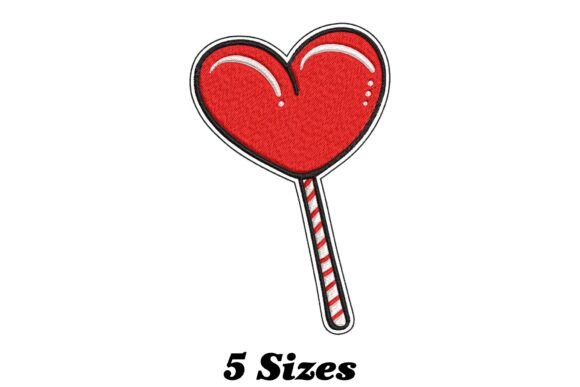
The moment you load the digital preview of Candy Heart, the emotional tone is immediately clear. It strikes a delicate balance between nostalgic sweetness and modern playfulness. For a product creator, understanding this mood is critical because it dictates your target audience. This isn’t a heavy, ornate Victorian piece; it is light, cheerful, and artistic. The style feels distinctly festive without being overly cliché, making it versatile enough for various demographics.
The decorative style leans toward cute and romantic, which naturally aligns with Valentine’s Day themes, yet its simplicity allows it to transcend the specific holiday. It has that cozy, handmade warmth that customers crave when looking for a handmade gift. The detail level appears sufficient to catch the eye on social media feeds—crucial for Etsy sellers and small business owners who rely on visual recognition to stop the scroll. However, we must remember that screen previews can be deceiving. The true test lies in how the threads interact with different fabric textures.
Real-World Application: Where Candy Heart Shines
In my experience building seasonal shop collections, versatility is king. Candy Heart offers a wide range of applications that can drive revenue across multiple product categories. Here is how I see this machine embroidery design performing in actual selling situations:
- Sweatshirt Embroidery: During the cooler months leading up to winter holidays or early spring valentines, a heart-themed design on a crewneck sweatshirt is a staple. The playful nature of Candy Heart adds a touch of personality that appeals to younger buyers looking for unique personalized gifts.
- Kitchen Towel Embroidery: Home decor items are high-margin sellers at craft fairs and online markets. Placing this design on a flour sack towel creates an instant gift set opportunity. It adds a cheerful artistic touch to any kitchen, making it an ideal impulse buy for shoppers decorating their homes.
- Tote Bag Design: For the eco-conscious crafter, a canvas tote bag featuring Candy Heart serves as both a functional item and a walking advertisement for your brand. It is lightweight, easy to ship, and highly photogenic for printable mockup campaigns.
- Pillow Cover and Table Linens: These items require a slightly more elegant approach. If the design translates well to finer threads, it can elevate a plain pillow cover into a premium home accent. This fits perfectly into limited-edition apparel and decor drops where exclusivity drives sales.
- Embroidered Patch: Creating a detachable patch from this design allows for incredible customization. Customers can attach it to backpacks, jackets, or baby items, extending the life and utility of the finished product.
Strategic Selling Points for Holiday Creators
When planning your inventory for Valentine’s Day or general romantic holidays, Candy Heart offers several strategic advantages. First, it enhances buyer emotion by tapping into feelings of love, nostalgia, and joy. Products that evoke positive emotions have higher conversion rates. Second, it boosts product value. A simple white t-shirt becomes a special occasion item when adorned with a well-executed design like this.
For Etsy sellers and small shop product creators, this design supports bundling strategies. You can pair a matching set of kitchen towels with a tote bag, or offer a "Love Bundle" of sweatshirts for couples. The visual consistency of using one strong design across multiple products builds brand trust and recognition. Furthermore, the cheerful aesthetic makes it perfect for social media previews. Images of these finished goods are highly shareable, increasing organic engagement during busy holiday shopping periods.
Giftability and Seasonal Appeal
The term "Candy Heart" itself carries weight. It evokes memories of childhood exchanges and sweet sentiments. This makes the finished product inherently giftable. Whether it is a personalized gift for a partner, a teacher appreciation token, or a family matching item, the design bridges the gap between casual wear and sentimental keepsake. This duality is essential for maximizing sales volume during short seasonal windows.
Practical Designer Notes: Execution and Quality Control
While the concept is strong, execution is where many creators stumble. As an experienced designer, I advise caution and thorough testing before mass-producing items with Candy Heart. Here are the critical technical considerations:
- Thread Colors and Fabric Texture: Always test thread colors on both light and dark fabric. The contrast is vital for readability. On textured fabrics like thick towels or denim, ensure the design doesn’t get lost in the weave. Consider using metallic thread for a premium touch, but be aware that this may increase stitching time and tension issues.
- Stitch Density and Stabilizer: Check the stitch density carefully. If the design is too dense on a stretchy garment like a sweatshirt, it will pucker and distort the fabric. Conversely, if it is too sparse on a loose-weave linen, it will lack definition. Use the proper stabilizer—cut-away for knits and tear-away for wovens—to maintain integrity.
- Hoop Size Constraints: Confirm the hoop size required by the file. If you are attempting to embroider on tiny items like ornaments or small patches, ensure the design scales down without losing its character. Tiny lettering or layered details can become muddy if the resolution is not high enough.
- Durability Testing: Remember that these items need to withstand repeated washing. Test wash your samples to ensure the threads do not fade or bleed. This is especially important for aprons and kitchen linens that see heavy use.
- Curved Surfaces: If you plan to embroider on curved caps or rounded bags, you will need a specialized cap hoop or form. Standard flat hooping will result in distortion. Practice on scrap material first.
Final Verdict for Seasonal Collections
Candy Heart is a solid addition to any seasonal portfolio, provided it is executed with care. Its cheerful, artistic touch makes it appealing to a broad audience, from young couples to home decorators. It fits seamlessly into the narrative of Valentine’s Day while retaining enough versatility for other romantic occasions throughout the year.
For digital embroidery file buyers, the key is to verify the technical specifications—such as exact stitch count, file format compatibility, and commercial licensing terms—before integrating it into your workflow. Ensure you create realistic mockups that showcase the design on the intended fabric types. By paying attention to these details, you can transform a simple digital pattern into a profitable, high-quality finished product that resonates with holiday shoppers.
In the competitive world of handmade goods, standing out requires more than just a pretty image; it requires reliability and quality. Candy Heart offers the charm needed to attract attention, but your attention to technical detail will be what secures the sale and builds customer loyalty. Plan your color palettes, review small details after stitching, and prepare for a successful seasonal drop.