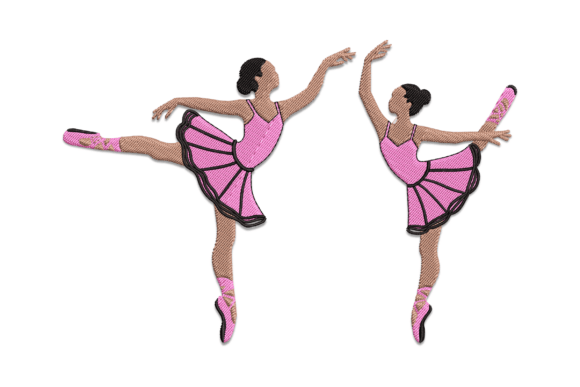
Ballerina Ballet Dancers Review
When I browse through new digital assets for my studio, I am always looking for that specific spark—a design that feels timeless yet fresh enough to stand out in a crowded marketplace. Recently, I pulled the Ballerina Ballet Dancers embroidery design into my workflow to see if it had the legs to be a staple in my collection of commercial assets. As someone who has stitched thousands of designs and sold hundreds of finished goods, I know that a pretty picture on a screen does not always translate to a high-quality stitched product. This review is about bridging that gap, looking at how this machine embroidery design performs when it comes off the computer and onto the fabric.
The First Impression: Mood and Visual Personality
The moment I opened the preview file for Ballerina Ballet Dancers, the mood was immediately established. It captures the grace and discipline of dance without being overly literal or cartoonish. The layout feels balanced, suggesting a design that is meant to be centered or perhaps used as a repeating motif on a larger piece. For an Etsy seller or a small shop owner, this visual personality is gold. It appeals to parents looking for nursery decor, young dancers seeking personalized gifts, or anyone who appreciates the elegance of ballet.
What stands out is the potential for detail. The design hints at flowing lines that suggest movement, which translates well into embroidery when executed with the right thread choices. It feels like a design that belongs in the "Dance" category but has enough versatility to cross over into general home decor and apparel. It doesn’t scream "costume"; instead, it whispers "artistry." That subtle distinction is often what separates a cheap souvenir from a premium handmade product.
Real-World Application: From Screen to Stitch
I put Ballerina Ballet Dancers to the test by imagining it on several different products, because the best way to judge an embroidery file is to visualize its end use. Here is how I see it performing in real-life scenarios:
- Custom Apparel and Sweatshirts: Placing this design on the chest of a cream-colored sweatshirt or a soft cotton tee creates an instant boutique feel. The clean lines of the ballerina silhouette work beautifully against the texture of knit fabrics. It elevates a basic garment into a statement piece, perfect for a craft fair display.
- Baby Embroidery and Nursery Decor: This is where the design truly shines. Imagine Ballerina Ballet Dancers embroidered on a muslin swaddle blanket or a crib sheet. The delicate nature of the subject matter pairs perfectly with soft pastels. It makes for a highly giftable item for baby showers, offering a sentimental value that customers are willing to pay a premium for.
- Tote Bag Design and Accessories: A sturdy canvas tote bag featuring this design is a practical yet stylish accessory. Whether it is for a dance student carrying their leotards or a mom running errands, the design adds a touch of whimsy. It works particularly well as an embroidered patch applied to the bag, allowing for flexibility in placement.
- Kitchen Towels and Tea Towels: Do not overlook home textiles. A set of linen tea towels with this elegant dancer motif can be a fantastic add-on item for your shop. It brings a sense of refined domesticity to the kitchen, appealing to customers who love baking and hosting.
In all these scenarios, the key is presentation. When you create printable mockups for your online store, ensure that the lighting highlights the sheen of the threads. The visual appeal of Ballerina Ballet Dancers relies heavily on how the light catches the satin stitches and fill areas.
Where Caution Is Required
No design is universal, and Ballerina Ballet Dancers has its limitations. As a professional reviewer, I must point out where this design might struggle if not handled with care.
First, consider the hoop size. If you attempt to stitch this on a very small surface area, such as the cuff of a child’s sleeve or a tiny cosmetic pouch, the details may become muddy. Fine lines that look crisp on a monitor can merge together if the stitch density is too high for the available space. Always check the dimensions before committing to a small project.
Fabric choice is equally critical. While this design looks lovely on stable cottons and linens, it requires careful consideration on stretchy fabrics like jersey or thin synthetics. Without proper stabilization, the hoop marks can be visible, or the fabric may pucker around the dense stitch areas. Similarly, textured fabrics like heavy chenille or thick fleece can obscure the finer details of the dancer’s form. In these cases, the design loses its impact.
Another area to watch is dark fabric. Unless you are using high-contrast white or metallic threads, the design may get lost. If you plan to offer this on dark backgrounds, ensure your digitizing includes adequate underlay or that the thread colors provide enough pop. Also, be mindful of curved surfaces like caps. While possible, stitching a flat design onto a curved brim can distort the proportions of the dancer, so a curved-hoop adaptation would be necessary for a professional finish.
Practical Designer Notes for Success
To get the most out of this embroidery file, I recommend following a strict testing protocol. Never assume a design will work perfectly on the first try, especially when moving from personal projects to commercial production.
- Test on Scrap Fabric: Always run a test stitch on the exact fabric you intend to sell. Check how the material reacts to the needle and thread.
- Check Thread Color Contrast: Experiment with different thread palettes. Sometimes a monochromatic look is sophisticated, while other times, a multi-color approach brings the design to life. Ensure the thread colors you choose complement the fabric rather than clashing with it.
- Inspect Small Details: Zoom in on the digital file and then examine the stitched sample closely. Are the toes of the shoes distinct? Is the flow of the tutu clear? If details are missing, you may need to adjust the stitch density or simplify the design in your digitizing software.
- Use Proper Stabilizer: The stability of the final product depends entirely on the support beneath the fabric. Use cut-away stabilizer for knits and tear-away for wovens, ensuring there is no bulk that could affect the drape of the finished product.
- Confirm Licensing: Before listing any items on Etsy or selling at craft fairs, double-check the license terms. Some digital embroidery files are for personal use only, while others allow commercial sales of a limited number of physical items. Respecting intellectual property protects your business reputation.
Final Verdict
Ballerina Ballet Dancers is a versatile and elegant addition to any designer’s toolkit. It offers a blend of classic beauty and modern simplicity that resonates with a wide audience. Whether you are creating a one-of-a-kind gift for a friend or building a line of boutique merchandise, this design provides a strong foundation for success. By paying attention to fabric selection, stabilization, and presentation, you can transform this digital asset into a tangible product that delights customers and builds trust in your brand. It is not just an embroidery project; it is a opportunity to showcase your skill and creativity in a meaningful way.