Autumn Cider Embroidery Review
As a designer who spends more time staring at stitch charts and fabric swatches than actually sleeping, I have developed a fairly strict filter for new digital assets. The market is flooded with generic clip-art converted into embroidery files, but finding a design that balances aesthetic charm with technical viability is rare. This week, I put Autumn Cider through its paces to see if it holds up in a real-world commercial setting. My goal was simple: determine if this linework marvel is worth adding to my library for client work, Etsy listings, or personal handmade gifts.
First Impressions and Visual Mood
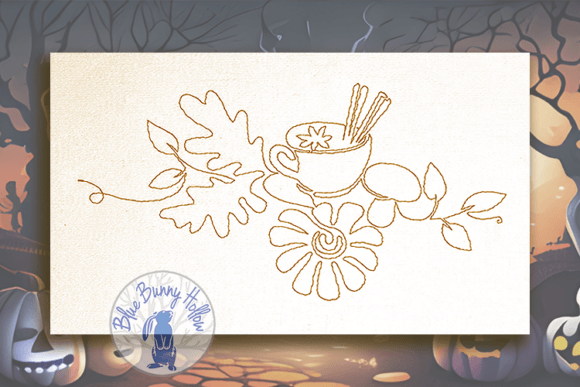
The name Autumn Cider suggests warmth, nostalgia, and the cozy texture of fall. Visually, the design delivers on that promise without veering into cliché territory. It relies heavily on clean linework, which immediately signals versatility. Unlike dense fill designs that can overwhelm a garment, this piece breathes. The visual personality is light yet distinct, making it an impeccable choice for quick stitching endeavors where turnaround time matters.
When I first loaded the file into my digitizing software, the layout felt balanced. It doesn’t scream for attention; instead, it invites the viewer in. For a small business owner, this is crucial. You want a design that enhances the product rather than dominating it. Whether you are creating a boutique branding item or a personalized gift, Autumn Cider offers a sophisticated touch that feels hand-crafted rather than mass-produced. The mood is undeniably seasonal, fitting perfectly into the broader category of Autumn-themed decor and apparel, but the neutral enough lines allow it to transcend typical "pumpkin spice" aesthetics.
Real-World Application: The Tote Bag Test
To truly evaluate any machine embroidery design, you have to move it off the screen and onto fabric. My primary test case involved preparing a custom embroidered tote bag for a local craft fair. Totes are a staple for any craft business, but they are also unforgiving. The canvas texture can distort fine details, and the weight of the bag can cause sagging if the design is too heavy.
I selected a natural cotton canvas and paired Autumn Cider with a warm, burnt orange thread. The contrast was immediate and striking. Because the design utilizes running stitch and open linework, it stitched cleanly without bunching. On the finished product, the lines remained crisp even after the stress of being filled with books and samples. Customers responded positively to the subtlety. In a sea of loud, graphic tees, a delicate linework design on a tote bag stands out because it feels intentional and high-quality. It elevated the perceived value of the item, allowing me to price it as a premium handmade product rather than a basic accessory.
Performance Across Different Projects
Beyond the tote bag, I explored how this embroidery file performs across various mediums. Here is where the practical judgment comes in:
- Sweatshirt Embroidery: When placed on a fleece sweatshirt, the design provided a nice textural contrast. However, I had to adjust the hoop size slightly to accommodate the thickness of the fabric. The linework held up well, but ensure you use a cut-away stabilizer to prevent puckering over time.
- Baby Embroidery: For baby clothes or nursery decor, the gentle lines are perfect. It works beautifully as a bodice detail on a onesie or on a soft blanket. The lack of sharp, dense corners makes it safe and visually soothing for infants.
- Kitchen Towels and Aprons: This is perhaps the strongest use case. A tea towel featuring Autumn Cider feels like a holiday gift waiting to happen. The design’s simplicity means it won’t clash with busy kitchen patterns, and the thread colors pop against white or cream backgrounds.
- Embroidered Patch: If you plan to turn this into an embroidered patch for denim jackets or bags, the clean edges make trimming easier. Just be mindful of the backing material to ensure it stays flexible.
Where to Exercise Caution
No design is universal, and Autumn Cider has specific constraints that every embroiderer should respect. While it excels on stable fabrics, it requires careful consideration on textured or stretchy materials.
If you attempt to stitch this on a highly textured boucle wool or a thin, slippery silk, the linework may lose definition. The needle might skip, or the thread tension could become inconsistent. Similarly, while it works on caps, curved surfaces like the front panel of a hat require precise hooping. If the fabric pulls too tight during stitching, the delicate lines will distort, ruining the professional finish.
Avoid using this design for tiny lettering or extremely small accents where clarity is paramount. The linework is elegant, but it relies on a certain scale to be appreciated. If you downsize it too much, the individual stitches may merge into a blur, especially on dark fabric where contrast is already challenging. Always inspect small details by zooming in on your digitizing software before committing to production.
Design Notes for the Professional
Before you start printing mockups or listing this as a digital product, there are several technical steps you must take. First, always test the design on scrap fabric that matches your final project material. This reveals issues with thread breaks or tension adjustments that you cannot see on screen.
Check your stitch density carefully. While Autumn Cider is not overly dense, ensuring the balance between satin stitch borders and running stitch interiors is correct is vital for longevity. If you are selling finished items, confirm whether the licensing allows for commercial use. Many designers assume all files are commercial-ready, but verification protects your brand from legal headaches.
I also recommend testing the design in black and white mockups. This helps you assess the composition and spacing without the distraction of color. Does the negative space work? Is the focal point clear? Once the structure is solid, then you can experiment with thread colors. I found that earth tones—mustard, rust, olive, and deep brown—complemented the design best, but a monochromatic scheme can also look incredibly modern.
Final Verdict
Autumn Cider is a thoughtful addition to any embroidery library. It bridges the gap between decorative art and functional design. For the Etsy seller looking for a reliable fall item, the boutique owner seeking subtle branding, or the hobbyist wanting to create meaningful personalized gifts, this design delivers. It respects the fabric, honors the season, and produces a finished product that customers will cherish.
Just remember: good embroidery is about preparation. Check your stabilizer, match your thread, and respect the limits of your machine. When done correctly, Autumn Cider transforms simple fabric into a tangible piece of autumn warmth. It is not just a pattern; it is a tool for creating connection, comfort, and style in your craft business.